
GITEX 2026 Moved: Is Your Digital Presence Actually Ready?
A practical checklist for exhibitors and attendees before the compressed run-up to December
Introduction
GITEX Global 2026 relocates to Expo City Dubai and shifts to 7–11 December, its first edition at the new venue and in the new slot. For anyone who was planning around the previous October assumption, that shift compresses the run-up by roughly three months. The venue change gets the attention. The tighter timeline is the part that actually affects a company's readiness.
Why the Date Shift Matters More Than the Venue
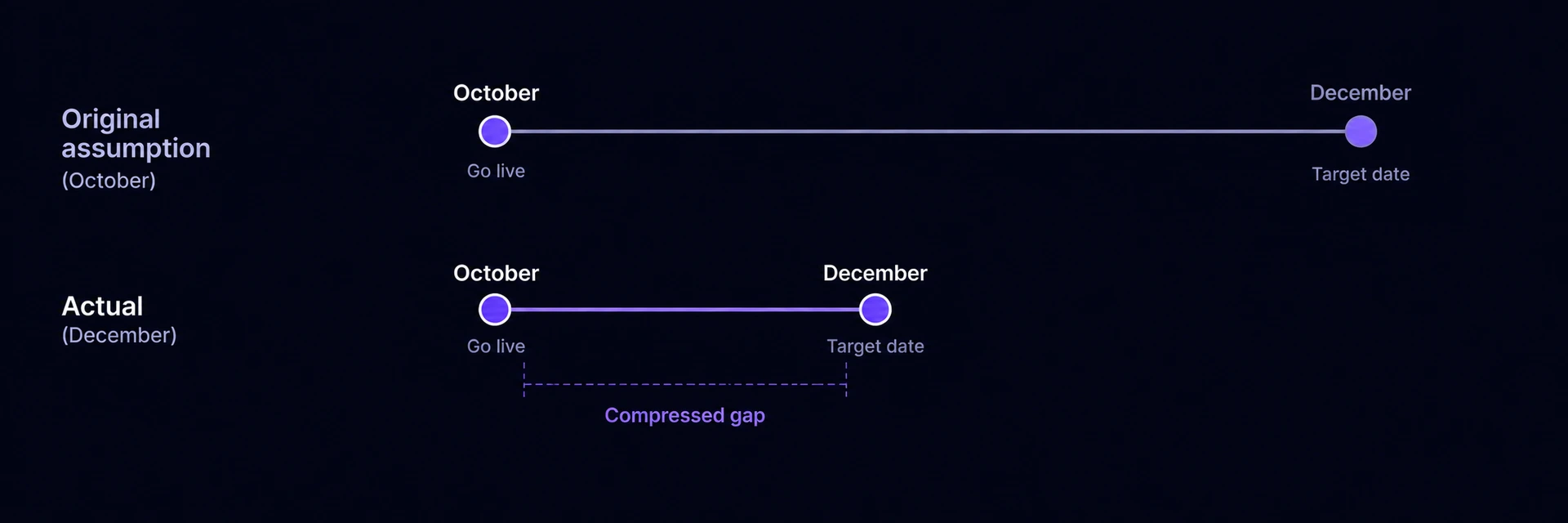
A new venue changes logistics. A compressed timeline changes what's realistically achievable before the event. Landing pages, updated case studies, a refreshed digital presence, these are usually planned as a steady few months of work. A three-month-earlier deadline turns that into a sprint, and the companies that notice the shift now have a real head start over those still planning around the old date.
The Digital Presence Readiness Checklist
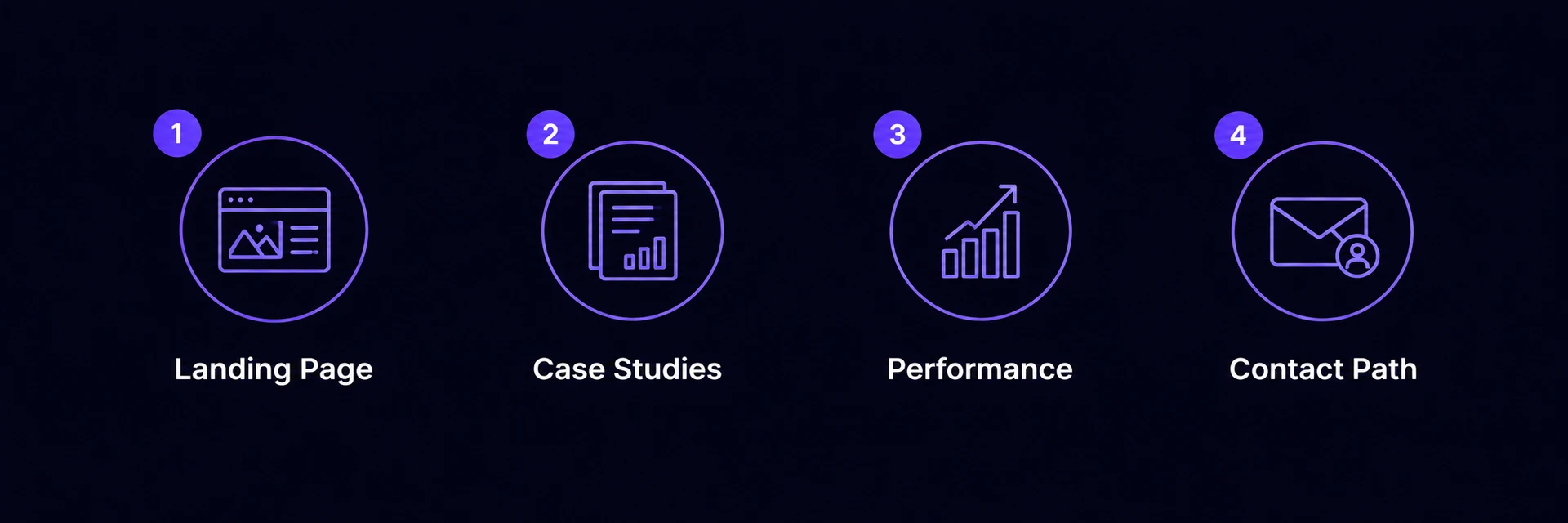
Landing page built for the specific audience GITEX brings
A generic homepage doesn't do the job during a high-traffic event window. A dedicated landing page, built around what GITEX visitors are actually looking for, converts a browsing visit into a real inquiry far more reliably.
Case studies and proof points that are current
Content built a year ago references a year-old version of the business. Refreshing case studies and results before the event matters more than adding new pages, since it's what a visitor checks first.
Site performance under a traffic spike
Event-driven traffic spikes are exactly when a slow or fragile site loses visitors it worked to attract. A performance check well before December avoids finding out the hard way during the event itself.
A clear, fast path to contact
Every additional click between a visitor's interest and a way to reach the company loses a percentage of them. The contact path should be obvious within seconds of landing on the page, not buried three menus deep.
What This Means for Planning Now
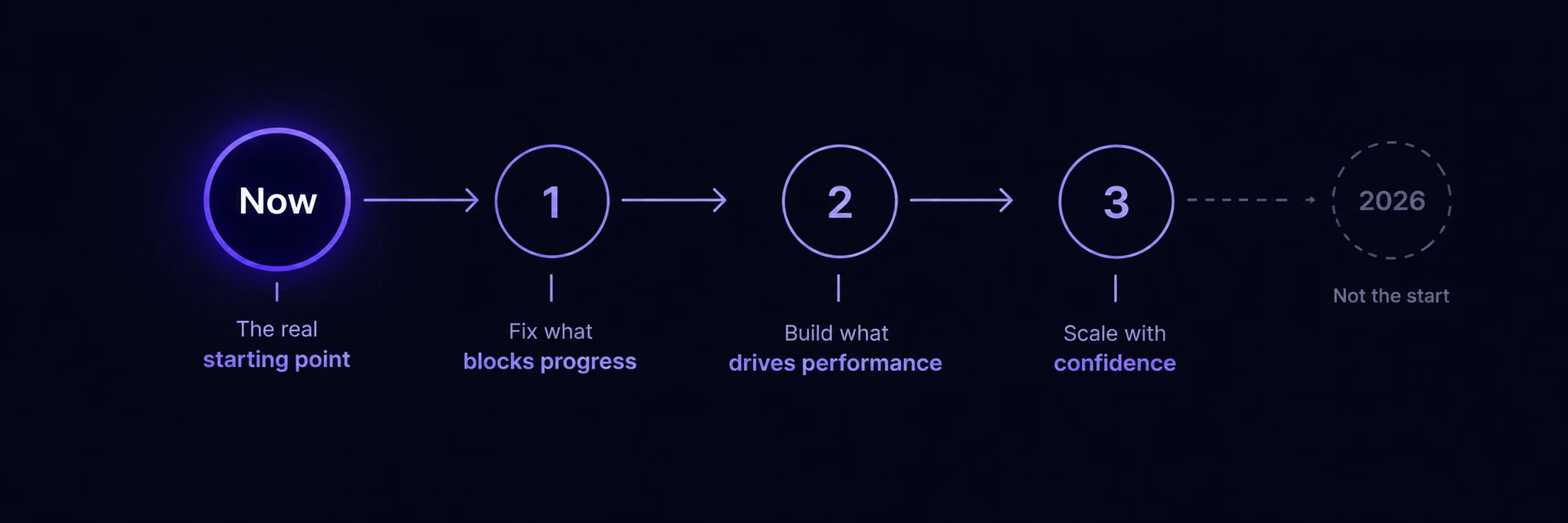
The practical takeaway isn't to panic about the venue change. It's to treat the shifted date as the actual deadline for digital readiness, not a soft one three months later than reality. Companies that start the landing page, content refresh, and performance check now will have a working site well before December. Companies that wait for a formal countdown will be compressing months of work into weeks.
Conclusion
GITEX 2026's new venue is a logistics story. Its new date is a planning story, and the one that actually determines whether a company's digital presence is ready when the event opens. Starting the readiness checklist now, rather than treating December as still far away, is the difference between showing up prepared and scrambling in November. Our web development team runs this exact readiness check for clients ahead of major regional events.
Frequently Asked Questions
Because the date shift compresses the planning window by roughly three months for anyone who assumed the previous October timing, which directly affects how much digital-readiness work can realistically get done.
A dedicated, audience-specific landing page and a fast, obvious path to contact typically have the most direct impact on converting event-driven traffic into real inquiries.
Content that references outdated results or an old version of the business undermines credibility with a visitor checking proof points in real time, so refreshing them before a major event is worth prioritizing.
Well before the event window, since a spike in traffic is exactly the moment a slow or fragile site loses visitors, and there's no time to fix that during the event itself.
No. Any company expecting increased visibility or traffic around the event, exhibitors, sponsors, or attendees promoting their presence, benefits from the same readiness check.
It's still worth doing, but the compressed timeline means prioritizing the highest-impact items, landing page and contact path, over a full site overhaul.