
UAE Open Finance: What It Means If You Build Software That Touches Money
A practical guide to the integration shift happening under the Open Finance Framework, for the people building the software, not just the banks
Introduction
The UAE's Open Finance Framework is usually discussed as a banking story. For anyone building software that touches payments, lending, or insurance data, it's an integration story, and one that quietly changes how new financial features should be built. The framework is mid-rollout through 2026, with banks and insurers onboarding to a centralized API Hub. The practical takeaway for a software team is that the direct, one-off bank integration is stopping being the default path.
What Open Finance Actually Is
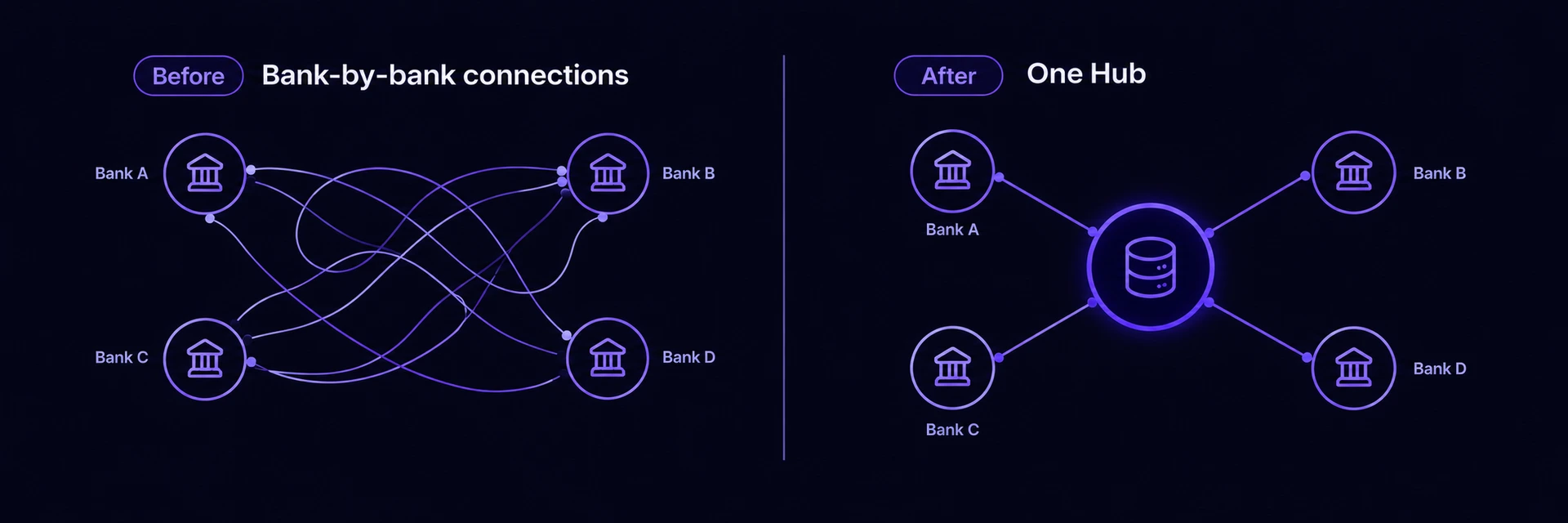
Open Finance extends the idea of open banking across the wider financial sector: with customer consent, financial data and services become accessible through standardized, regulated APIs instead of closed, bank-by-bank connections. In the UAE, this runs through a central API Hub and Trust Framework rather than a patchwork of private agreements. A company that wants to read account data or initiate a payment connects once, through the Hub, under a common standard.
Why This Changes How You Build
The direct bank integration is no longer the obvious default
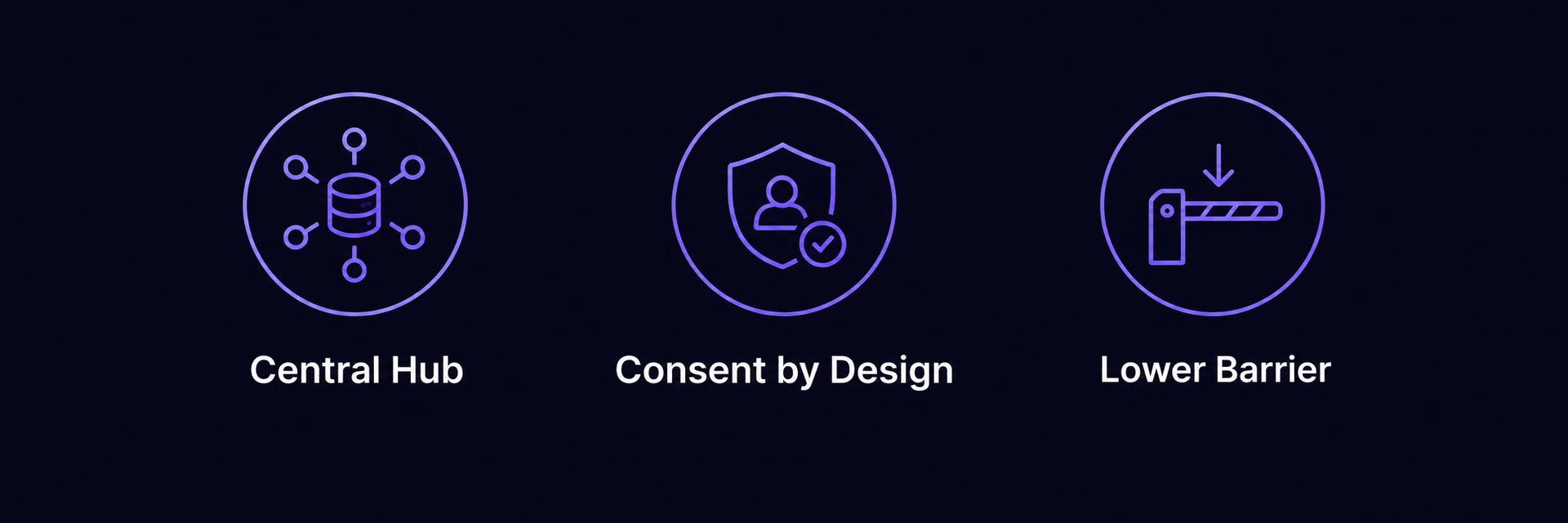
For years, connecting to a bank meant a bespoke integration per institution, each with its own format, credentials, and maintenance burden. The framework pushes the whole sector toward a single standardized connection point. A roadmap still assuming per-bank integrations is planning around a model the regulator is actively moving away from.
Consent becomes part of the architecture, not a checkbox
Open Finance is built on explicit, revocable customer consent. That means consent management, capturing it, storing it, honoring a withdrawal, has to be designed into the system, not bolted on. It's a technical requirement with a regulatory backing, and it shapes how data flows through the application.
Standardization lowers the barrier for non-banks
The same standardization that simplifies bank connections also opens the door for non-bank businesses, retailers, platforms, service providers, to build financial features they previously couldn't justify. A company that never considered offering embedded payments or lending may find the integration cost has dropped enough to change the calculation.
What to Check on Your Roadmap Now
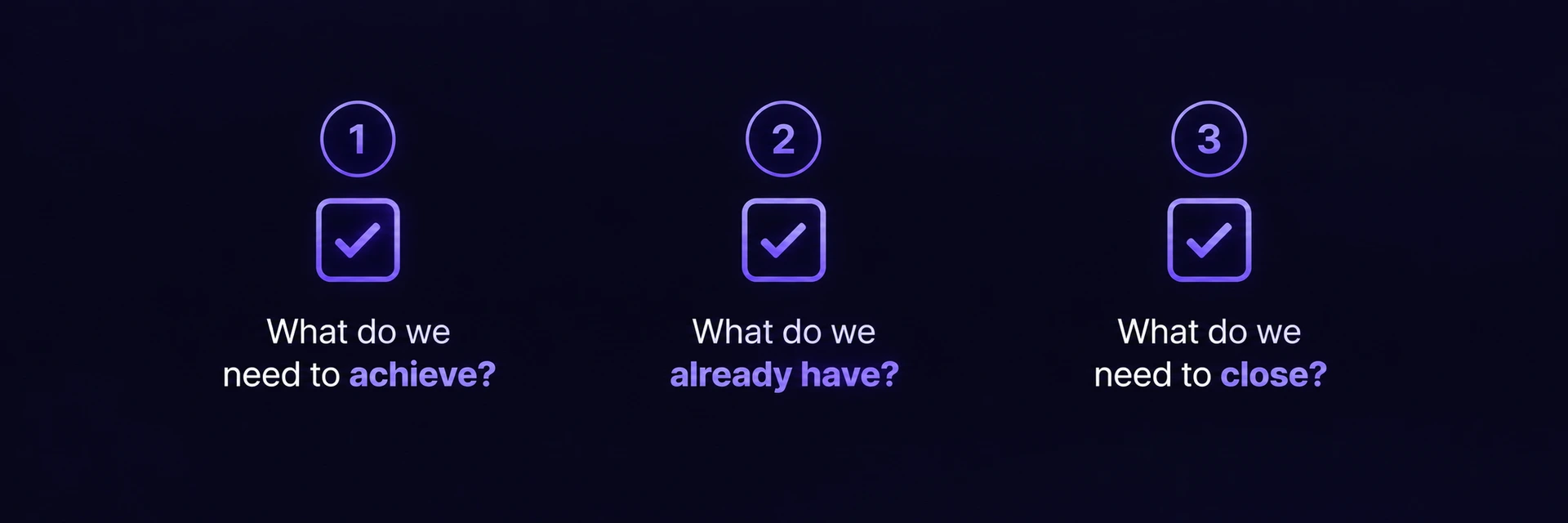
Any team building software that reads or moves financial data should ask three questions before the next planning cycle: does the integration plan account for connecting through the central Hub rather than direct bank APIs; is consent management designed in as core architecture rather than a late addition; and does the team understand which regulated role, if any, its product falls under. Answering these early is far cheaper than rearchitecting once the framework's later phases make the standardized path the only path.
Conclusion
Open Finance in the UAE is a banking regulation on the surface and an integration standard underneath. For software builders, it changes the default assumptions about how financial features get connected, consented, and maintained. Building toward the standardized model now, rather than the per-bank model the sector is leaving behind, is the difference between a roadmap that ages well and one that needs reworking within a year. Our API and integration and custom development teams factor this shift into every project that touches financial data.
Frequently asked questions
No. It's relevant to any business building software that reads or moves financial data, payments, lending, insurance, including non-bank companies adding financial features.
A centralized connection point through which financial data and services are accessed under a common standard, replacing bespoke, bank-by-bank integrations.
The framework is moving the sector toward a single standardized connection through the Hub, so per-bank integrations are becoming the legacy approach rather than the default.
Because Open Finance requires explicit, revocable consent that the system must capture, store, and honor in real time, which shapes how data flows through the application architecture.
Yes. Standardized access lowers the cost of adding embedded financial features, making payments or lending viable for businesses that previously couldn't justify the integration effort.
Before the next planning cycle. Building toward the standardized model early is far cheaper than rearchitecting once later phases make it mandatory.