
Cybersecurity Readiness for UAE Businesses: Beyond the Compliance Checklist
A practical framework for closing the gap between "compliant" and "secure"
Introduction
As sector forums bring banking and financial security practices into wider industry conversation this month, one distinction is worth making early: passing a compliance checklist and being genuinely secure are not the same thing. Compliance frameworks set a baseline, the UAE Cyber Security Council's National Cybersecurity Strategy (2025–2031) is one such framework, built specifically to protect businesses beyond the banking sector. The businesses that actually withstand an incident treat that baseline as a starting point, not a finish line.
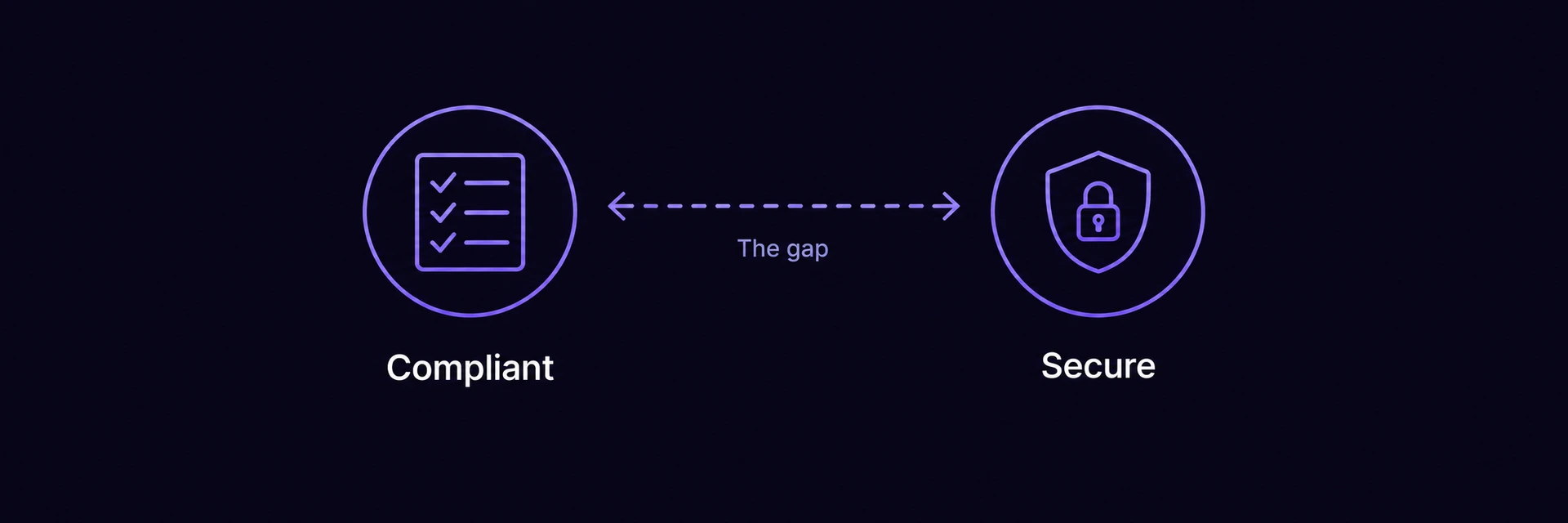
Where Compliance and Security Diverge
A compliance checklist confirms specific controls exist on a specific date. Security is the ongoing question of whether those controls actually hold up against how the business operates day to day, how quickly a real incident gets detected, and how the organization responds once something goes wrong. A business can check every box and still be unprepared for the incident that doesn't match any box on the list.
A Practical Readiness Framework
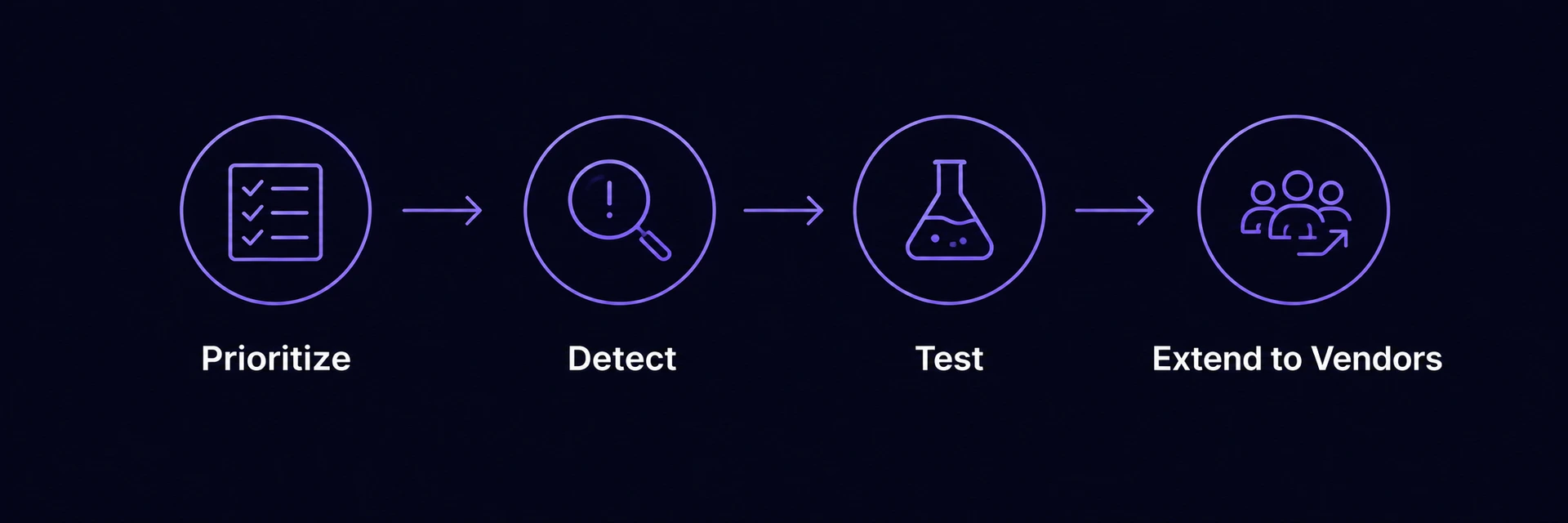
Know what actually needs protecting
Before adding more security tooling, identify which systems and data actually matter most if compromised, customer records, financial data, operational systems, and prioritize protection there first rather than spreading effort evenly across everything.
Test detection speed, not just prevention
Prevention controls get most of the budget. Detection, how quickly an incident is actually noticed, often gets the least attention, even though the gap between a breach happening and being noticed is what determines how much damage occurs.
Run the incident response plan before you need it
A written response plan that's never been tested is a document, not a capability. A tabletop exercise, walking through a real scenario with the actual team, reveals gaps a checklist never surfaces.
Extend security expectations to vendors and integrations
A business's security posture is only as strong as its weakest connected vendor. Every third-party integration, API connection, or outsourced system is a door that needs the same scrutiny as the front door.
Conclusion
Compliance frameworks exist for good reason, and meeting them matters. But treating a compliance checklist as the definition of "secure" leaves the exact gap that a real incident finds. Building readiness on top of compliance, not instead of it, is what separates businesses that recover quickly from ones that don't. Our infrastructure solutions and cloud hosting teams build this layered approach into every engagement.
Frequently Asked Questions
It proves specific controls existed at the time of the audit. It doesn't guarantee those controls hold up under a real, evolving incident, which is why security requires ongoing attention beyond the audit date.
Detection speed. Most investment goes into prevention, while the time it takes to actually notice an incident, often the more damaging gap, gets far less attention.
A written plan reveals what should happen in theory. A tested tabletop exercise reveals what actually breaks down in practice, gaps a document alone won't show.
Yes. A connected vendor or integration with weak security becomes an entry point into the business's own systems, regardless of how strong the business's internal controls are.
No. Prioritizing the systems and data that matter most if compromised produces better protection than spreading effort evenly across everything.
No. Every business handling customer or operational data benefits from readiness beyond compliance, regulated industries simply have a checklist that makes the baseline explicit.